
Preloader
Welcome to

Master of Science in Microbiology

M.SC Microbiology Course Program that focuses on the study of microorganisms and their applications in healthcare, agriculture, industry, and research. It covers advanced topics like immunology, virology, microbial genetics, and biotechnology.

Course Image 1
Course Image 2
Course Image 3
Course Image 4
Course Image 5
Course Image 6
Course Image 7
Course Image 8
about our Department

The Postgraduate Department of Microbiology, established in 1995, offers a comprehensive and dynamic program that explores the vast and ever-evolving field of microbiology. The curriculum encompasses the classification of microorganisms, microbial ecology, cell biology, and their diverse applications in agriculture, food, and medicine.

The program provides in-depth knowledge of microorganisms, with particular emphasis on the biology of bacteria, viruses, fungi, algae, and protozoan parasites. It also integrates essential concepts from biochemistry, physiology, and genetics to equip students with a holistic understanding of microbial life.

  • Library
  • Best Laboratories
  • Add-on Courses
  • Scholarships
Get to Know Us

Highlights of the Department

  • Comprehensive Study of Microorganisms
    • In-depth learning about bacteria, viruses, fungi, and protozoa.
  • Advanced Laboratory Training
    • Practical exposure to microbial techniques, culturing, and diagnostics.
  • Research-Oriented Curriculum
    • Focus on experimental skills, dissertation work, and scientific writing.
  • Interdisciplinary Approach
    • Integration of microbiology with genetics, immunology, biotechnology, and bioinformatics.
  • Industry-Relevant Skills
    • Training in food safety, medical diagnostics, fermentation technology, and quality control.
  • Guest Lectures & Industry Visits
    • Exposure to real-time practices through talks and visits to research centers and industries.
  • Environment & Public Health Focus
    • Insights into environmental microbiology and microbial roles in pollution control and sustainability.
Look ahead with us

Scope of the Course

Clinical Diagnostics: With the rise of molecular diagnostics in Chennai's healthcare hub, graduates are trained in PCR and ELISA techniques essential for hospital labs

There is strong scope for re2. Biopharmaceutical Hub: Tamil Nadu’s growing "Pharma Valley" requires microbiologists for vaccine production and quality control.search in areas like immunology, genetic engineering, biotechnology, and infectious diseases, both in public and private research institutions.

Microbiologists are essential in hos3. Marine Microbiology: Given Chennai's coastal location, research into marine microbial enzymes and bioactive compounds is a significant area of focus.pitals, diagnostic labs, and vaccine production units for disease diagnosis, treatment planning, and outbreak control.

Sustainable Agrotech: Development of bio-fertilizers and bio-pesticides for the agricultural sector in South India

M.Sc. Microbiology graduates are in demand globally, especially in countries focusing on biotech research, food safety, public health, and infectious disease control.

Skill Development

Add-on Courses

The department offers additional skill-enhancement courses to broaden students' knowledge and employability prospects:

Medical Lab Technology (MLT)

Useful for roles in hospitals, diagnostic centers, and pathology labs

Bioinformatics

Combines biology with data analysis tools.

Vermi Composting Technology

Conducting Certificate course on "Vermi Composting Technology" for Life Science students from 2014 – Till Date.

Social Work Organized

Dr Sultan Ahmed Ismail, Director Nature Eco club Palavakkam and Eminent Scientist in Vermicomposting Technology, visited HCAS Vermi compost unit during Waste to Value program on 04th July 2017.
Get to Know

Syllabus

Semester- I

  • General Microbiology, Physiology and Microbial Diversity
  • Immunology and Microbial Genetics
  • General Microbiology, Physiology, Microbial Diversity, Immunology and Microbial Genetics
  • Forensic Science /Health and Hygiene /Microalgal Technology
  • Bioinstrumentation/Herbal Technology & Cosmetic Microbiology/Essentials of Laboratory Management & Biosafety

Semester- II

  • Medical Bacteriology and Mycology
  • Medical Virology and Parasitology
  • Practical-II – Medical Bacteriology, Mycology, Virology & Parasitology
  • Epidemiology / Clinical and Diagnostic Microbiology / Bioremediation
  • Bioenergy / Nanobiotechnology /Clinical Research
  • Organic Farming and Bio Fertiliser Technology
  • Internship* / Industrial Activity

Semester- III

  • Soil & Environmental Microbiology
  • Food and Dairy Microbiology
  • Research Methodology & Biostatistics
  • Practical III – Soil, Environmental, Food & Dairy Microbiology
  • Fermentation Technology and Pharmaceutical Microbiology
  • Entrepreneurship in Microbiology
  • Internship / Industrial Activity

Semester- IV

  • Molecular Biology & Recombinant DNA Technology
  • Practicals IV – Molecular Biology & Recombinant DNA Technology
  • Project with Viva Voce
  • Marine Microbiology/Bioinformatics /Microbial Quality Control and Testing
  • Biosafety, Bioethics and IPR / Toxicology /Water Conservation and Water Treatment Technologies
  • Life Science for Competitive Examinations
  • Field trip

Semester- V

No subjects available for Semester 5

Semester- VI

No subjects available for Semester 6

Shaping Futures

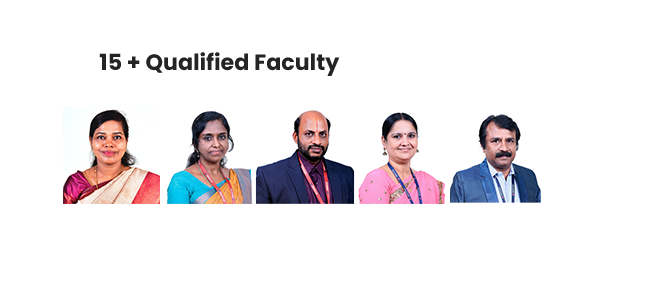
Our Faculty Members

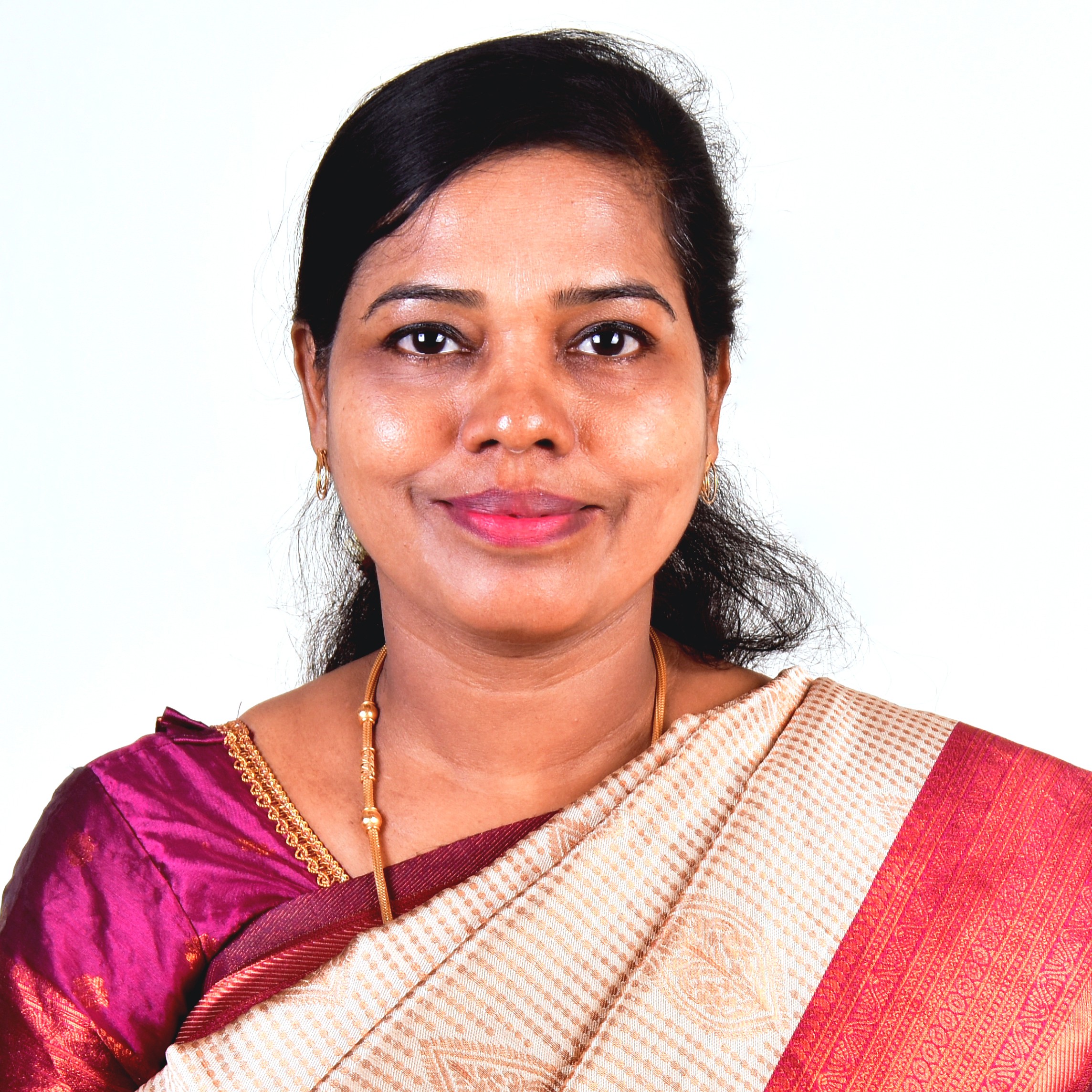
Dr. C. Elizabeth Rani

Dr. C. Elizabeth Rani

Dean of the Department
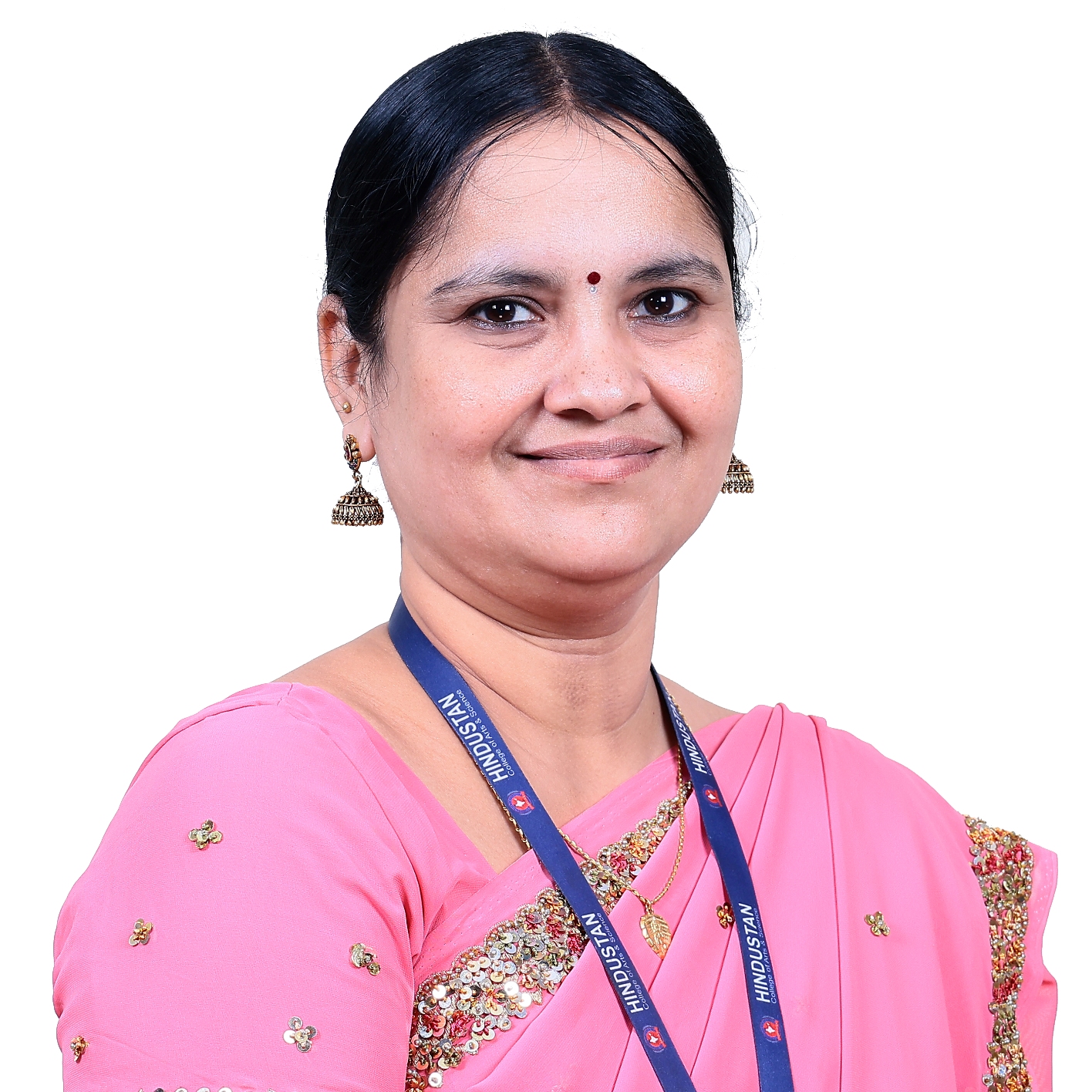
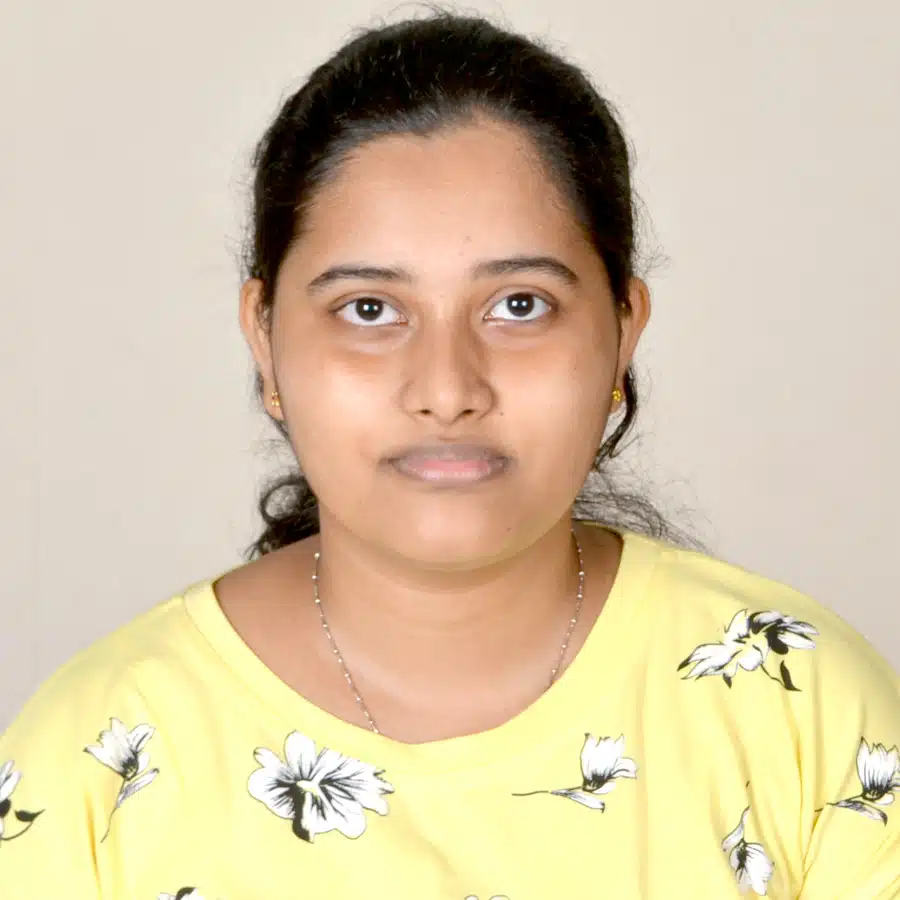
Dr. T. Srinivasan

Dr. T. Srinivasan

Head of the Department & Assistant Professor
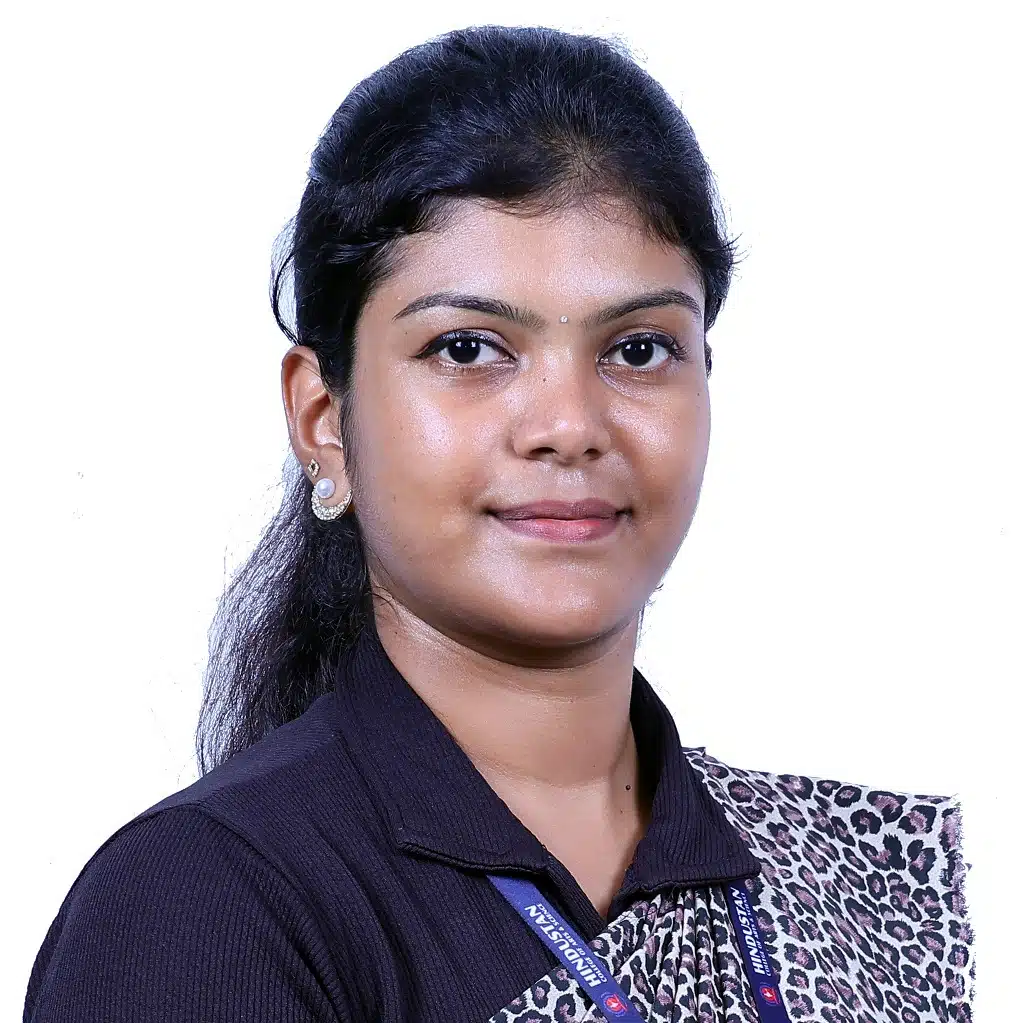
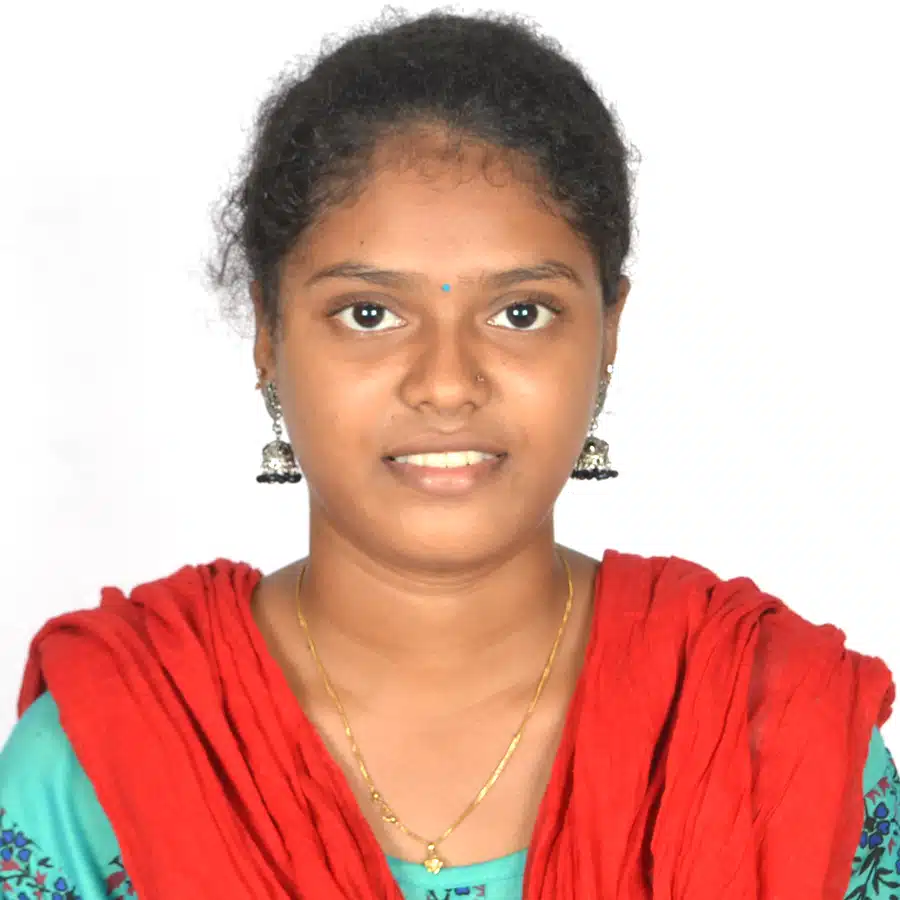
Dr. C. Shanmuga Sundaram

Dr. C. Shanmuga Sundaram

Assistant Professor
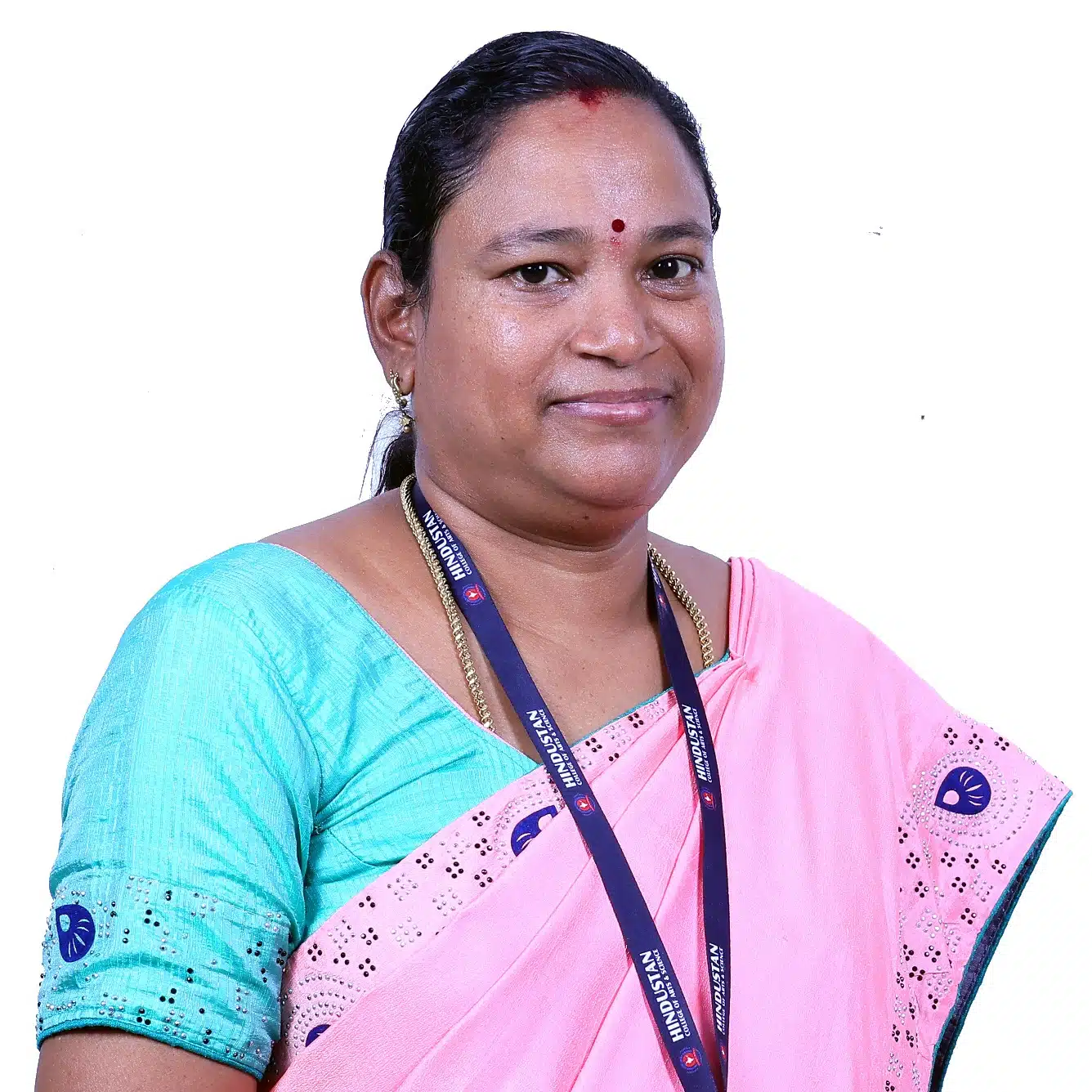
Mrs. S. Priya Grace

Mrs. S. Priya Grace

Assistant Professor
Dr. P. Nirmala

Dr. P. Nirmala

Assistant Professor
Dr . Preethi Rathna

Dr . Preethi Rathna

Assistant Professor
Dr . Dhanalakshmi

Dr . Dhanalakshmi

Assistant Professor

Look Ahead With Us

Rank Holders

Find Out More ➔
Look Ahead with Us

Campus Events

<

MoU

Memorandum Of Understanding

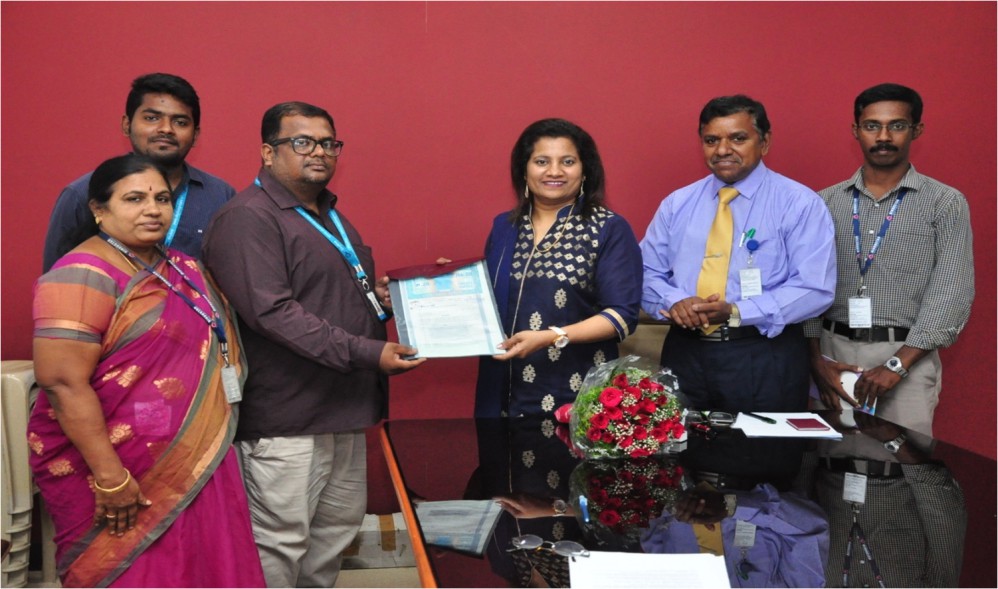
MoU with Sky Line Pvt Limited on 10/07/2017

MoU with Sky Line Pvt Limited on 10/07/2017

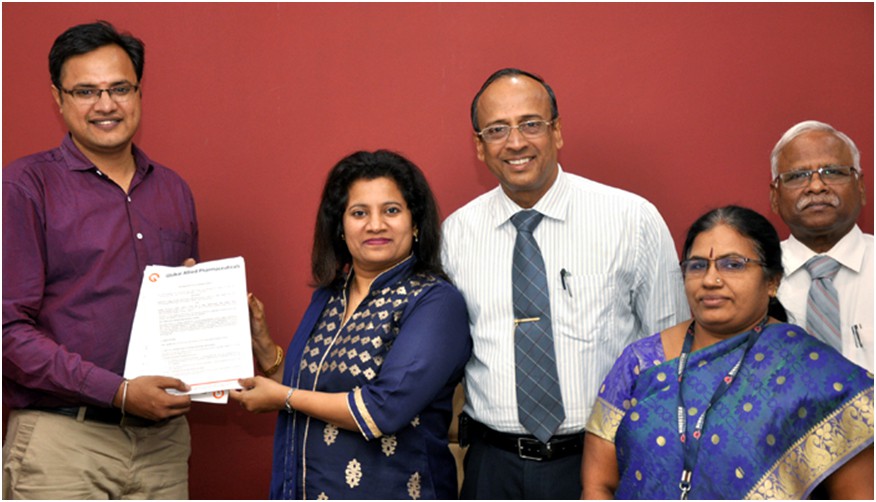
MoU with Global Allied Pharmaceuticals Research Centre on 11/11/2016

MoU with Global Allied Pharmaceuticals Research Centre on 11/11/2016

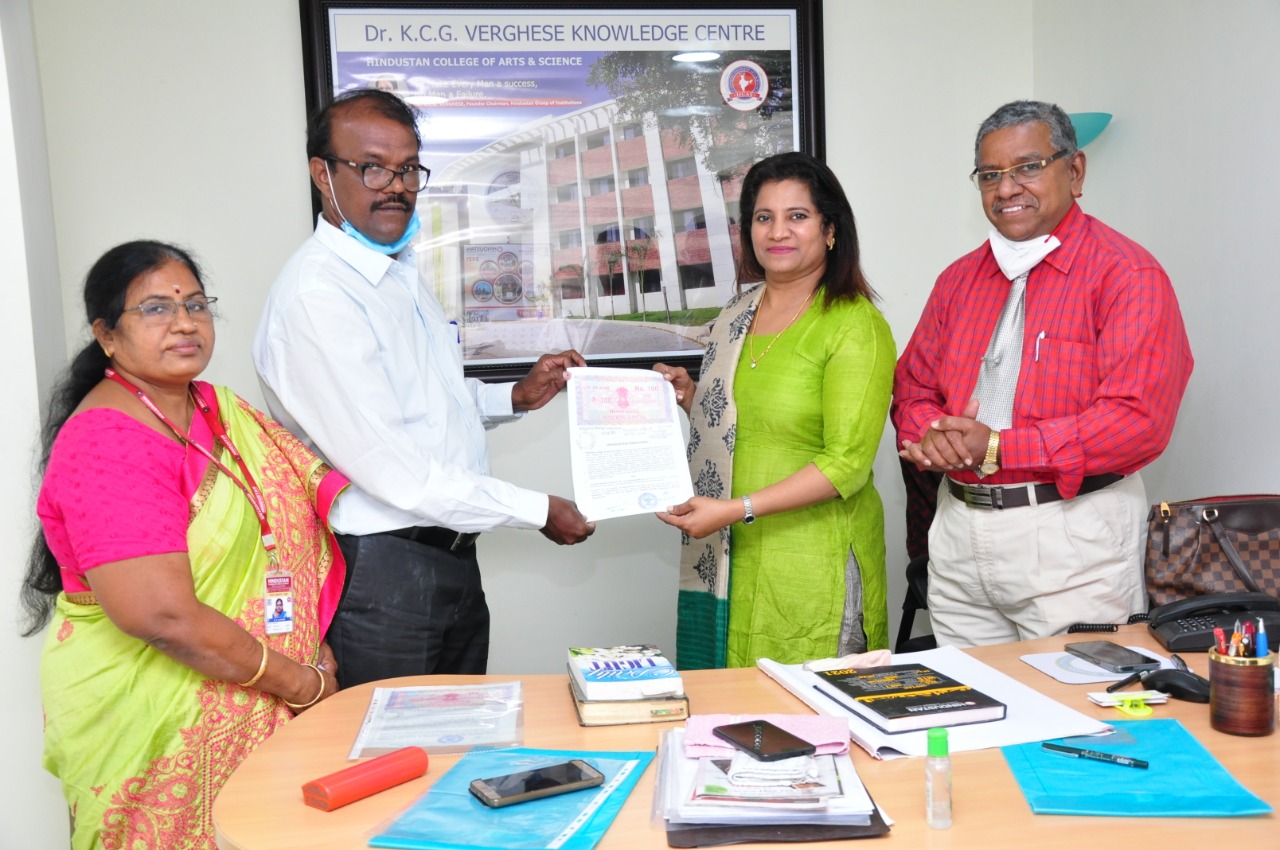
MOU signed with Intrinsic Herbals Laboratory (P) Ltd, Rajapalayam

MOU signed with Intrinsic Herbals Laboratory (P) Ltd, Rajapalayam

Still Have Doubts

Frequently Asked Questions

1. What are the courses offered by Microbiology department, and what are the subject taught?
B. Sc. Microbiology, M.Sc. Applied Microbiology, M. Phil. and Ph. D. are the courses offered. General Microbiology, Industrial Microbiology, Environmental Microbiology, Medical Microbiology, Mycology, Parasitology, Virology, Soil Microbiology, Immunology and Molecular Biology, are the different subjects that are dealt with, in the above mentioned courses. This course also includes application-oriented subjects like Bioinstrumentation, Biostatistics, Bioinformatics, and Research Methodology, which pave way for students to pursue higher studies in various fields. Admission process for B. Sc., M.Sc., and M. Phil., programs start in the month of April, and for Ph. D. in the months of January and July.
2. Is Microbiology a good career option and is there a demand for Microbiologists?
Yes, it is a good option. Employment of Microbiologists is projected to grow 5 percent over the next ten years, and more microbiologists will be needed to contribute to basic research, solve problems encountered in industrial production processes and monitor environmental conditions, to ensure public health and safety.   Job Prospects
  • Quality Controller, Medical Laboratory Technician
  • Medical Coder
  • Medical Biller
  • Writer
  • Research Assistants
  • Scientists
  • Medical representative
  Microbiologists are mostly hired in the following fields:
  • Higher education institutions.
  • Industry – water and biotechnology companies,
  • Food and drink, toiletries,
  • Petroleum, pharmaceuticals.
  • Environmental organizations.
  • Public health organizations.
  • Healthcare organizations.
  • Forensic science laboratories.
  • Publicly funded research organizations.
3. Is there any financial assistance provided by the college for the students?
Government SC/ST Scholarships and low income group stipend through State Education Department is possible. In addition to that, alumni fee concession (50% of tuition fee) is provided to HCAS students who pursue Masters Program in our College.
4. What is the scope of M.Sc., Applied Microbiology?
There is a vast scope for Microbiology, since it is involved with the diverse fields like Medicine,Pharmacy, Diary, Food Industry, Clinical Research, Water Industry, Agriculture, Chemical Technology and Nanotechnology, Recombinant DNA Technology, Vaccine Production, Biodegradation Technology, Bio Fertilizer Technology, Waste Water Treatment Technology. Higher studies like M. Phil., Ph.D. can be pursued or Scientist positions can be assumed after Master’s Program in Microbiology. After clearing CSIR Exam one can become a Junior Research Fellow/Senior Research Fellow. M.Sc., Applied Microbiology has good scope in India and abroad. Microbiologists can work in Hospitals, Clinical Laboratories, also find opportunities in R&D departments in various pharmaceutical companies, or can even continue research programs like M. Phil / Ph.D.
5. What is the future scope of Microbiology, and in which areas can this degree be of use?
  • Discovery of new microorganisms. Microorganisms undergo rapid changes in their nature (wild type to mutant) which results in the emergence of new diseases like COVID – 19. Microbiologists have to respond to these threats. Hence Microbiologists should find ways to stop the spread of established, as well as emerging diseases.
  • Microorganisms can be used for the welfare of the community by using them in various industrial processes and enhanced environmental control.
  • Sequencing the genomes of many newly discovered microorganisms.
  • Discovery of vaccines for various newly emerging pathogens, in order to prevent the spread of infectious diseases among the community.
  • Microorganisms are essential partners with higher organisms. Greater knowledge of symbiotic relationships can help improve our appreciation of the living world. It would also help in the improvement of health of plants and livestock.
  • Micro organisms are used in dairy industries for making of yoghurt, cheese, butter milk and also it is used as Probiotics.
Have Questions?

Reach out to Us

Chatbot
Need help? Just ask Hira!
HCAS HIRA

Enquiry Form

Job Details

Name of the Position

Assistant Professor

Name of the Position :

Campus :

Division :

Experience :

Job Description :

Job Reference No. :

Assistant Professor

Padur

Dept. of Mathematics

03

03

03

Functional Area

Desired Qualification

Essential Qualification

Required Skills

Salary Details